Sleep Apnea: Causes and Natural Solutions to Breathe Better at Night
Published on March 20, 2026Sleep apnea is characterized by involuntary pauses in breathing during the night, up to dozens of times per hour. It is a common respiratory disorder that has persistent detrimental effects on sleep quality: less oxygenation, fragmented night, constant fatigue....
While medical treatments like CPAP remain essential in severe cases, many natural approaches can improve nighttime breathing, especially in mild or moderate cases. To be effective, these solutions must address the root causes of apnea and not just the symptoms.
Understanding these mechanisms is essential to regain a smooth breathing and a truly restorative sleep.

Why Breathing Deteriorates During the Night
During sleep, the body naturally relaxes. The throat muscles lose tone, which can lead to a narrowing of the airways. In some people, this phenomenon is exacerbated by the sleeping position, tissue inflammation, or even the quality of the ambient air.
Sleep apnea generally does not have a single cause. It results from a combination of imbalances. It is precisely for this reason that a relevant natural approach is based on a holistic view, capable of acting on several levers at once.
In this context, we can distinguish four main causes, each calling for specific solutions to breathe better at night.
Cause 1: airways that close during sleep
How obstruction occurs
When the muscles of the tongue and throat relax, the airway can be partially blocked. This phenomenon is particularly pronounced in people who sleep on their backs. The obstruction causes nocturnal micro-awakenings, often unconscious, which fragment sleep.
Natural solutions to clear the airways
Adopting a lateral posture during sleep limits the sagging of tissues and keeps the airways more open. Slightly elevating the head of the bed also promotes better air circulation.
In parallel, muscle strengthening exercises for the tongue and palate can reduce the severity of apnea. A study published in the journal Chest in 2009 showed that an oropharyngeal exercise program could reduce sleep apnea by 39% in some patients. This approach allows for direct action at the source of the obstruction.

Cause 2: ineffective and shallow breathing
Issues related to breathing
Shallow or mouth breathing increases apnea episodes. It reduces oxygenation and can exacerbate nocturnal micro-awakenings. Nasal breathing is more effective for filtering, humidifying, and oxygenating the air.
Techniques to improve nighttime breathing
Practices such as breath yoga, cardiac coherence, or conscious breathing exercises help to retrain breathing. They stabilize the breathing rhythm and reduce the frequency of nighttime interruptions. With regular practice, it is possible to regain a more natural breathing rhythm and deeper sleep.

Cause 3: Inflammation of the Respiratory Tracts and Indoor Pollution
How the Environment Influences Apnea
Air loaded with fine particles, allergens, or pollutants irritates the respiratory tracts and promotes inflammation. This irritation makes the tissues more sensitive and more likely to become blocked during the night. In urban or poorly ventilated areas, the problem is particularly pronounced.
Improve Air Quality for Better Breathing
Regular ventilation is a first step. But to effectively reduce pollutants, it is recommended to use a high-performance air purifier. The TEQOYA T200 air purifier, thanks to its filterless and completely silent ionization technology, purifies fine particles and irritants, thus contributing to creating a healthier environment conducive to restorative sleep.
This approach allows direct action on one of the main causes of apnea, often overlooked by conventional methods.

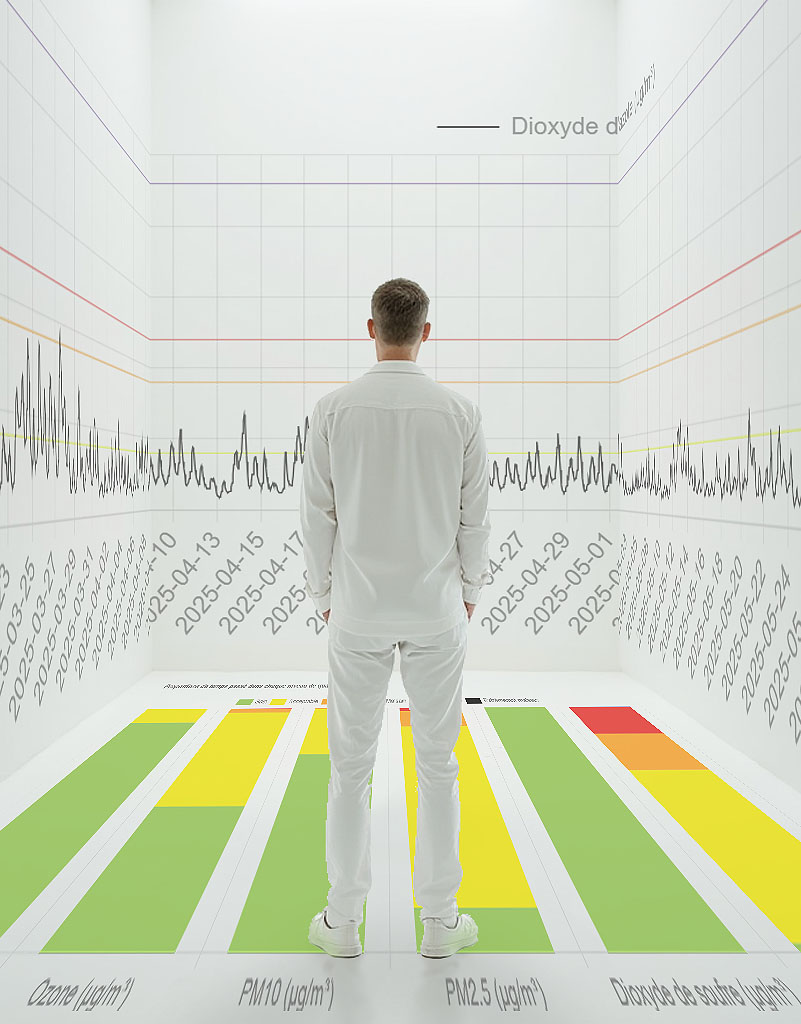
Free Air Quality Report
Receive a free analysis of the outdoor air quality near you: based on your country and city!
Does the air around your home contain pollutants? How has it changed in recent months? Is there a risk to your health?

Cause 4: Lifestyle Habits that Worsen Apnea
Behaviors that Amplify the Problem
Certain daily habits exacerbate airway obstructions. Alcohol relaxes the throat muscles, heavy meals before bedtime put pressure on the diaphragm, and sedatives alter the natural sleep cycle.
Adjustments for More Breathable Sleep
Limiting alcohol and stimulants, adopting a regular bedtime routine, and maintaining consistent sleep schedules stabilize body function and improve nighttime breathing. These simple yet consistent changes produce measurable effects on sleep quality.

Can heavy treatments like CPAP be avoided?
In mild to moderate cases, the natural approaches presented may suffice to significantly improve breathing. However, in severe cases, medical supervision remains essential.
The goal of natural solutions is to complement and optimize overall care, by reducing symptom intensity and improving quality of life.
Regain a Smoother Breathing and Restorative Sleep
Improving sleep apnea relies on a set of coherent adjustments: posture, breathing, environment, and lifestyle habits. Consistency and understanding of the mechanisms are essential to regain smoother breathing, deep sleep, and better energy on a daily basis.
Night air quality is a discreet but fundamental factor. By using suitable solutions like TEQOYA air purifiers, it is possible to reduce exposure to pollutants and irritants and sustainably transform respiratory comfort during sleep.
FAQ: Some Frequently Asked Questions About Sleep Apnea and Natural Solutions
What are the natural remedies for sleep apnea?
Natural remedies include improving posture during sleep, practicing breathing exercises, regulating breathing, and adopting healthy lifestyle habits such as limiting alcohol and heavy meals in the evening. Using a high-performance air purifier, like the TEQOYA T200, also helps reduce airway inflammation related to indoor pollution and allergens.
Which plants can help improve sleep?
Certain plants with calming or relaxing properties can promote deeper sleep and limit micro-awakenings related to sleep apnea. Among them are valerian, passionflower, lemon balm, and hawthorn. Herbal teas made from thyme or eucalyptus can also help clear the airways before bedtime.
Can sleep apnea be managed without a machine?
Yes, in mild to moderate cases, it is possible to reduce symptoms without CPAP by combining proper posture, muscle-strengthening exercises, nasal breathing, lifestyle hygiene, and improving indoor air quality.
How to breathe better at night?
To breathe better, it is advised to sleep on your side, slightly elevate your head, practice regular breathing exercises, limit irritants like smoke and alcohol, and purify the bedroom air. The TEQOYA T200, with its ionization technology, contributes to an environment conducive to smoother nighttime breathing.
Information on air quality and news from TEQOYA
How does an air ionizer work?
#Essential
Natural environments are rich in negative ions. This is precisely the principle on which the air ionizer is based on. However, do you know how this technology manages to capture the pollution particles contained in the indoor air to purify your home?
Are air purifiers effective against viruses, especially the coronavirus COVID-19
#Virus and microorganismes #L'essentiel
In December 2019, a respiratory virus of the Coronavirus family appeared in the Wuhan region of China and has now spread to all continents.
What is eco-responsibility?
#Essential
Purifying indoor air while protecting your health and the planet is possible! Say goodbye to filters and make way for negative ions: choose an eco-responsible air purifier that will easily reduce energy and resource consumption.

 Contact